Dewatering
Mines and quarries that utilize water in their operations will eventually need to remove moisture for further material processing or easier product handling.
Dewatering is a process used to separate liquid-solid mixtures, such as slurries containing particles, and process water. Dewatering is commonly found in the aggregate, minerals, coal, and frac sand wet processing industries. This process typically involves methods like wet classification, centrifugation, filtration, or other liquid-solid separation processes
Installing dewatering equipment in a wet processing plant effectively extracts moisture from the final output while capturing fine particles in the wastewater. This process yields drier material, and the extracted water can be recycled within the plant. The main goal of dewatering is to achieve the driest solids and the cleanest filtrate possible.
Removing moisture from material gives benefits beyond creating dry, solid cakes and reusable process water. Dewatered material is easier to handle and cheaper to transport. It also reduces stockpile drying time, freeing up land space.
Moreover, using dewatering equipment at the final stage of a wet processing plant reduces the material destined for the settling pond, potentially eliminating the need for such ponds.
McLanahan’s Dewatering Solutions by Suprabakti
Suprabakti supplies McLanahan dewatering products, which are designed to process sands, coal, pulp and paper, concrete, and other minerals in the mineral processing industry. McLanahan equipment is also used to dewater stall bedding on dairy farms. McLanahan’s dewatering solutions allow mineral producers to achieve drier, more manageable solids and obtain reusable process water
Wet Classification
Wet classification involves separating particles in feed material based on their settling rates in a fluid. In this process, larger and heavier particles sink to the bottom, while smaller and lighter particles float to the top and overflow the weirs on the equipment. This results in particle-free topwater that can be reused in the processing plant.
Hydrocyclones use centrifugal force to separate coarser materials from the slurry, ejecting them through the bottom apex.
Sand Washing Plants transform raw sand into products that meet specific requirements.
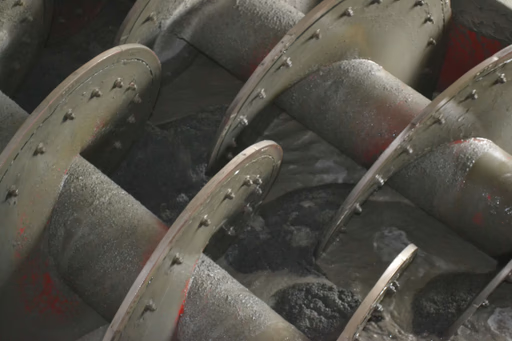
Screw Washers simultaneously wash, classify, and dewater solids material up to -10mm or 3/8″ in size in a single machine.
Slurry Pumps drive fluid through pipelines by converting rotational kinetic energy into the hydrodynamic energy needed for fluid flow.
UltraFINES Recovery Plants integrate a sump, pump, hydrocyclones, and a dewatering screen into a single module, specifically engineered to recover +400 mesh (38µm) solids from wash plant effluent streams.
UltraWASH Modular Wash Plant uses containerized washing modules to produce up to five products: three clean aggregates and two washed sand fractions.
Centrifugation
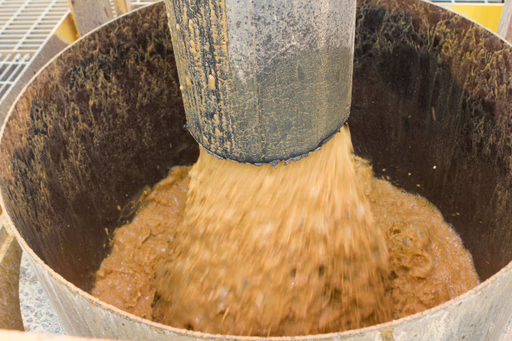
Centrifugation makes use of centrifugal force to separate solid particles from liquid in a slurry. This process draws in a rapidly rotating cylindrical bowl within an enclosed frame, where denser particles move away from the axis of rotation and less dense particles move closer to it. As a result, larger particles are discharged as thick, dewatered underflow, while water and fine material are discharged separately
Hydrocyclones use centrifugal force to separate coarser materials from the slurry, ejecting them through the bottom apex.
Filtration
Filtration for dewatering separates solids from liquids using a medium that permits only the liquid to pass through. In this process, water and other liquids in the slurry flow through a permeable barrier or filter media, while a cake of drier solids, too large to pass through, remains trapped. This method results in dry material and reusable process water.
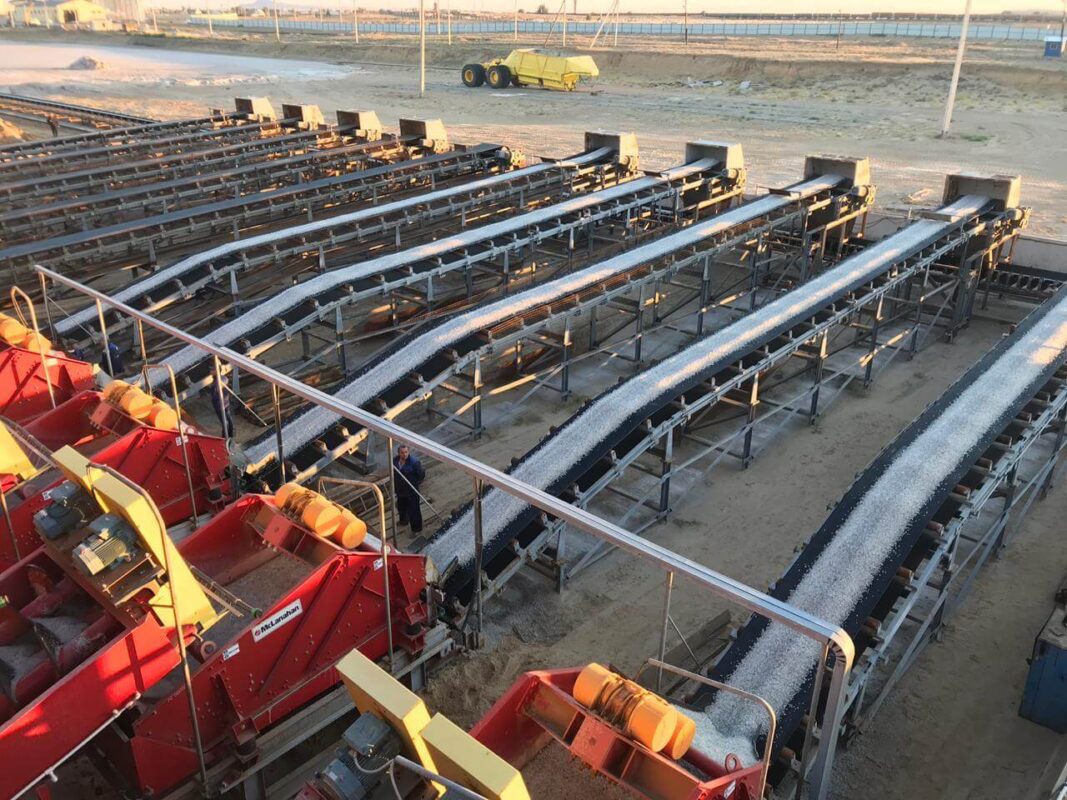
Dewatering Screens remove moisture from -4 mesh (5 mm) particles like sand, coal, iron ore, and salt, while also facilitating fine sizing, washing, rinsing, desliming, and organics screening.
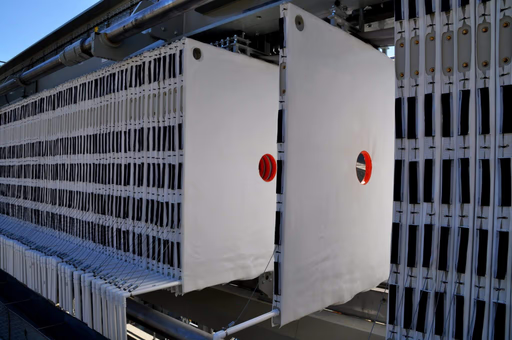
Filter Presses use high-pressure pumping to separate liquids and solids in a slurry by passing it through a series of hydraulically sealed recessed plates lined with filter cloths.
Thickeners in mining and aggregate operations separate solids from liquids in slurries to recover reusable water and extract fines and other materials.
Vibratory screens use decks with differently sized openings to separate materials by vibrating them.