

Belt Splicing
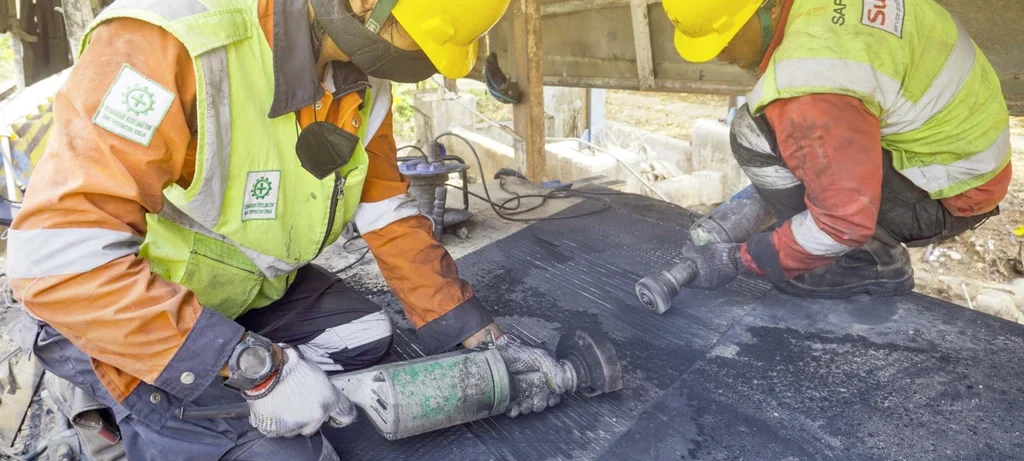
Belt splicing is a process of joining two ends of a conveyor belt together to create a continuous loop. This method is necessary when installing a new belt, repairing a damaged belt, or extending the length of an existing belt.
Belt splicing guarantees that the conveyor system runs smoothly, without any interruptions to material flow. Since conveyor systems are prevalent in a multitude of industries, there are many types of conveyor belts and components.
In order to properly splice a belt, it is crucial to consider factors such as the belt type, conveyor belt speed, materials traveling on the belt, and the environment in which the conveyor operates.
If a splice is done incorrectly, the reliability of the belt and the entire conveyor system is jeopardized. The longer the splice lasts, the less downtime the conveyor system will have. There are several methods of belt splicing, each with its advantages and considerations.
Mechanical Belt Splicing
Mechanical splicing is a method of joining the ends of conveyor belts using metal fasteners or hinges. This method is relatively simple and can be done quickly, making it ideal for temporary repairs or situations where vulcanization equipment cannot be used. This method requires a mechanical fastening system and a hammer or an electric rivet driver to install.
Mechanical splicing works in multiple scenarios and types of belts. This splice type is commonly used in applications with high levels of wear and tear, frequent expansion requirements, or conditions involving dirt, moisture, or limited space. These applications include mining, quarrying, and other heavy-duty operations. However, mechanical splices may be less durable than vulcanized splices and require periodic maintenance.
Hot Splicing
Hot splicing uses heat and pressure to join the ends of a conveyor belt together with a vulcanizing agent, which is usually rubber. This splicing method is reliable yet time-consuming, and it is ideal for all types of belts with varied thicknesses and widths. In contrast to mechanical splicing, hot splicing creates strong, long-lasting splices.
Hot splicing offers better strength and durability, great resistance to wear and tear, and is suitable for a variety of belt materials and operating scenarios. However, it requires specialized equipment, trained technicians, and a longer downtime for installation than other spicing methods. This method is not recommended if the belt is old, unclean, or unevenly worn.
Cold Splicing
Cold splicing, or cold bonding, is a simpler and quicker alternative to hot splicing. In this splicing method, chemicals serve to join the belt ends together. Hand tools and cold-curing adhesives or bonding agents are required for the splicing process.
Cold splicing offers perks such as quick and easy installation with less equipment and downtime, appropriateness for on-site repairs and emergency splicing scenarios, and strong adhesion flexibility. However, it might not give the same degree of strength and durability as hot splicing, particularly in heavy-duty or high-tension applications.
Suprabakti Belt Splicing Solutions
For over three decades, Suprabakti has been a provider of conveyor belt splicing services in Indonesia. We serve the highest standard for quality and safety in the industry by educating our workforce on proper belt-splicing methods. Our commitment to splicing involves continuous investments in manpower development and advanced vulcanizing equipment technologies.
With over 300 highly skilled belt-splicing technicians strategically stationed across Indonesia. Suprabakti operates a 24/7 prompt and reliable emergency service from all of its locations around Indonesia. We specialize in both hot and cold splicing for many types of belts, such as steel cord and fabric belts, sidewall belts, special bucket elevators, and other types used in bulk material handling applications.
At Suprabakti, we take pride in being pioneers in belt splicing training in Indonesia. Our belt splicers enroll in advanced conveyor belt splicing courses, where they acquire comprehensive knowledge and skills in performing proper splicing procedures. These courses cover training, such as understanding belt specifications, conveyor belt basic knowledge, and material handling systems. We keep our promise to give our customers across Indonesia the best quality and trust by making sure all of our technicians have the abilities and expertise required to perform belt splicing.