
Conveyor Dust Management
Handle dust in conveyor systems seriously!
Dust causes health problems when in the air and may also catch fire and explode in certain circumstances. A conveyor dust management solution is a helpful approach to saving the business. Suprabakti supplies filtration equipment that removes airborne dust and safely returns it to the material stream.
We also supply equipment that captures dust at the source and solutions that control dust once it becomes airborne. Once in the air, fugitive dust will spread everywhere. Whenever the wind blows, these particles can travel quite a ways during outdoor operations. Dust could get into even the smallest areas, causing damage to equipment and electronics.
The area or environment around the factory is also at risk due to pollution and health issues caused by dust. If not handled properly, this issue can cost the business quite a bit of time, money, and energy. An efficient dust control solution should be considered something to be built rather than an off-the-shelf item. It is a prudent, if not essential, investment.
The advantages of controlled dust, such as:
- Less material loss – Controlling dust will boost profitability since it signifies the material flow is not being sold for profit when it escapes.
- Healthier work conditions – When dust is absorbed into the air, it might reach workers’ lungs and cause health issues.
- Zero risk of explosion – Dust explosions can occur with any kind of uncontained dust, though they are typically linked to coal mining.
- Less time spent on cleanup and maintenance – When fugitive dust settles, it can gather on the floor or even inside equipment and electronics, which leads to unscheduled downtime to clean up the mess and maintain equipment.
- Better environmental compliance – Runaway dust from outdoor operations, such as strip mining, can contaminate lakes, rivers, and other environmentally sensitive places.
Conveyor Dust Management Solutions minimize airborne dust in the plants, showcasing expertise in smart dust control. Martin fully automates and customizes its latest solution for comprehensive dust management.
Conveyor Dust Management: Spray Dust System
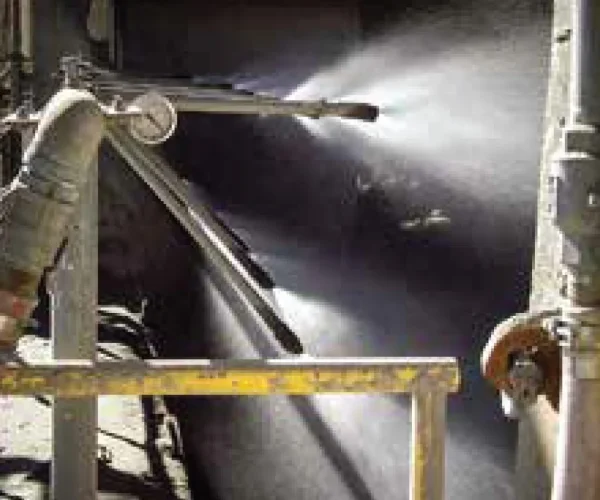
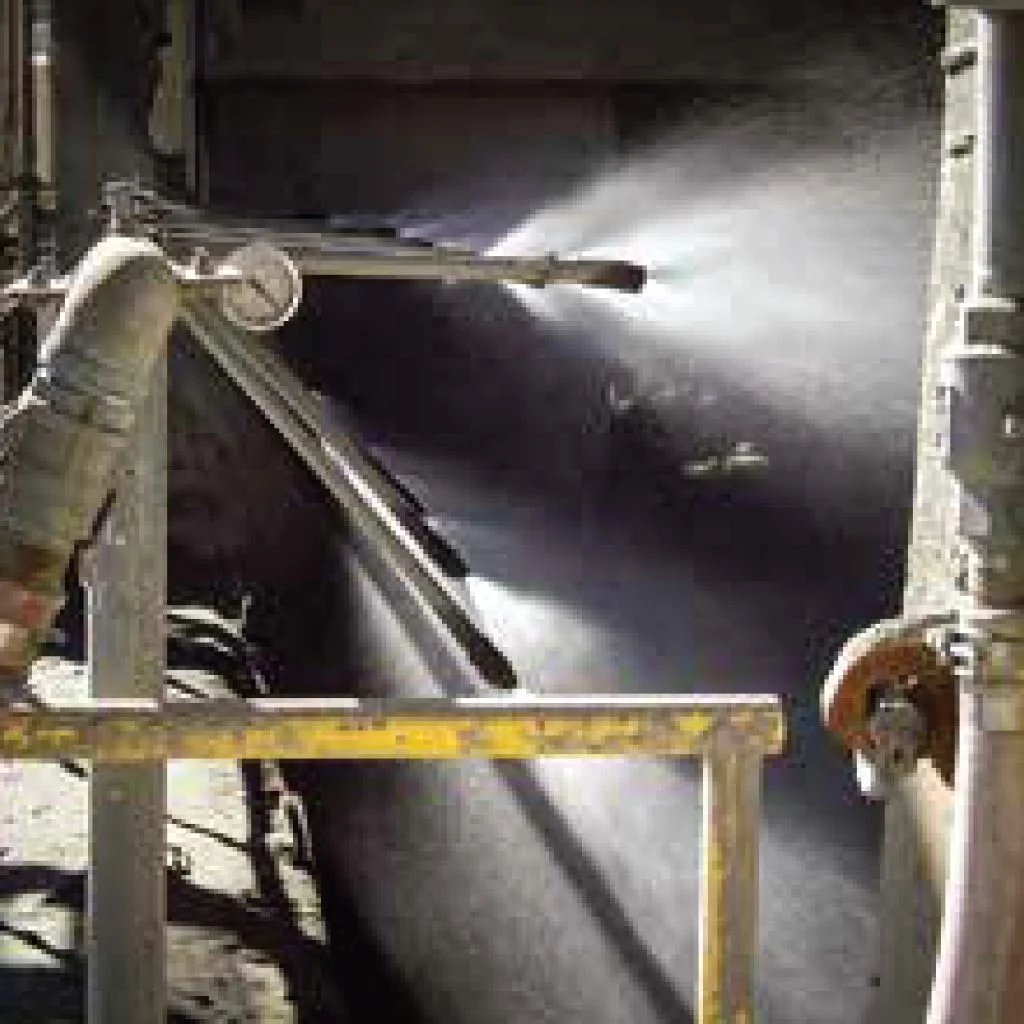
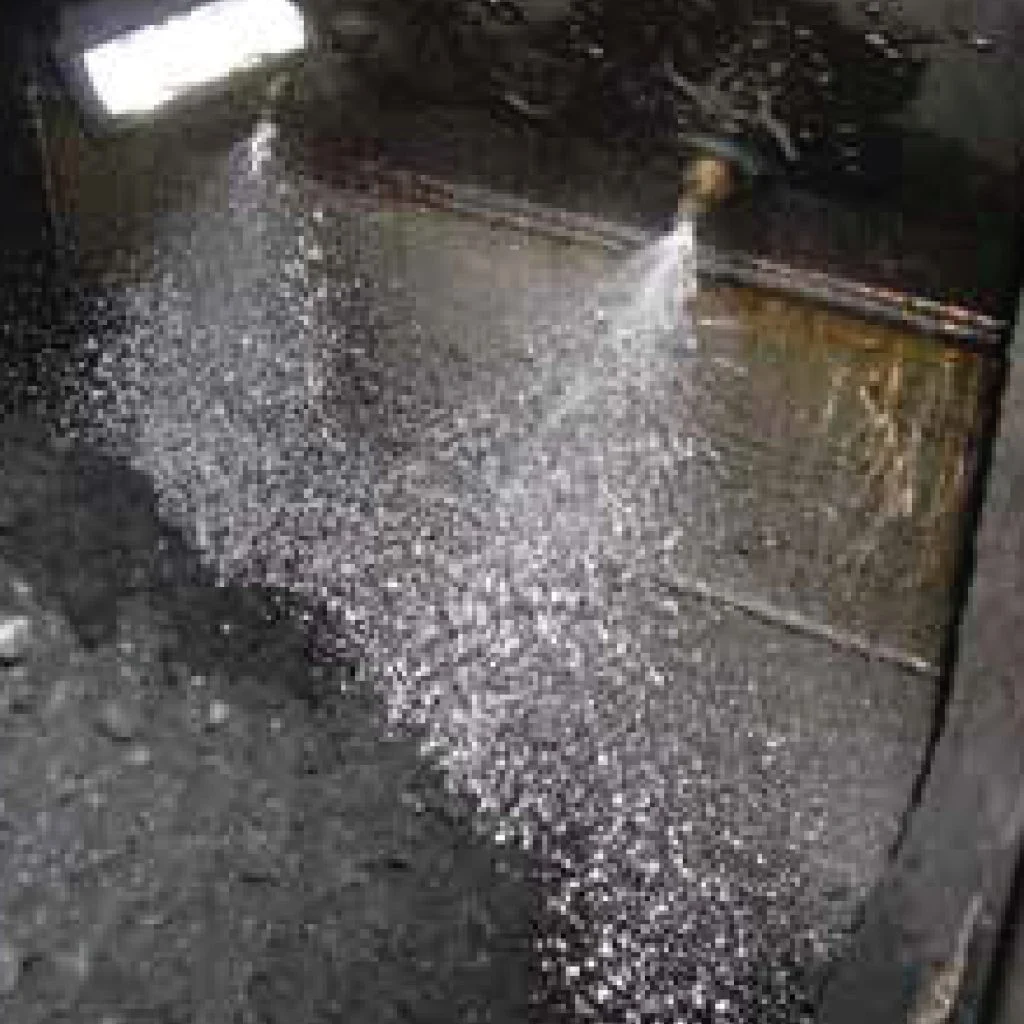
With its full automation, the Martin® Spray Dust System is capable of providing the ideal treatment for each customer’s unique demands and settings. The Martin® Spray Dust System can deliver water surfactant spray, foam, and fog, granting a full solution. It also has a dust control, visual confirmation of operation, and optional remote monitoring.
Treatment of bulk materials without confinement is possible with the Martin® Spray Dust System. Operators could employ a fog system only when they provided containment. They spray water directly onto the substance to eliminate its dust-producing potential. By carefully drenching the material, they control dust without needing to contain it.
A 110/120V control signal activates the spray bar system, which runs at facility line pressure. Operators use the spray bar in situations where they do not require or desire containment.
SURFACTANT DUST SYSTEM
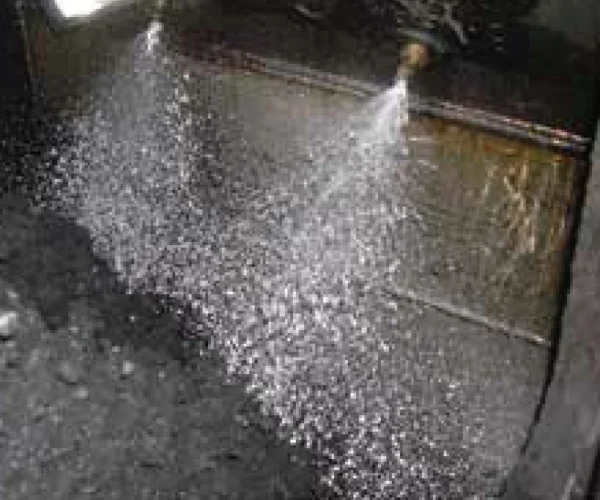
In a bid to maintain perpetual treatment application whilst minimizing surfactant agent waste, the Martin® Surfactant Dust System applies surfactant agents applying a completely automated system.
The particular demands of the consumer and the environment around them define the specifics of surfactant appreciation. Every system is purpose-built to meet the customer’s business-specific requirements.
Surfactant agents play a role in the dust control system by decreasing water surface tension. This mechanism improves water’s capacity to wet surfaces effectively and form fine droplets, optimizing the performance of our systems.
Reducing surface tension makes it easier for water droplets and dust particles to interact. This process causes the dust particles to absorb water, get heavier, and eventually fall out of suspension in the air, significantly reducing airborne dust pollution.
- The automatic flow control minimizes surfactant solution waste and cost.
- Superior grade components give reliable operation.
- Spray nozzles are specially manufactured to meet specific needs and requirements.
- Sensors monitor material load and belt speed, signaling the control unit to activate the system.
- Consistent ratio of solution to water at all flow levels.
- Pumps with soft stars minimize pipe stress.
- Pump sizes are adjustable, making system upgrades and additional requirements possible.
- Operational status indicator lights present visual information.
- Customized surfactant agents to fulfill specific demands.
- Remote monitoring removes the need for unnecessary visual inspections.
The Martin® Surfactant Dust System gives you the most thorough solution in dust suppression on the market today.
Conveyor Dust Management: Dust Bag
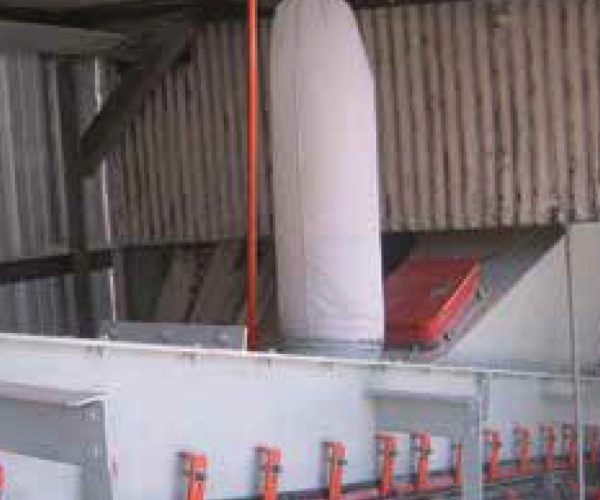
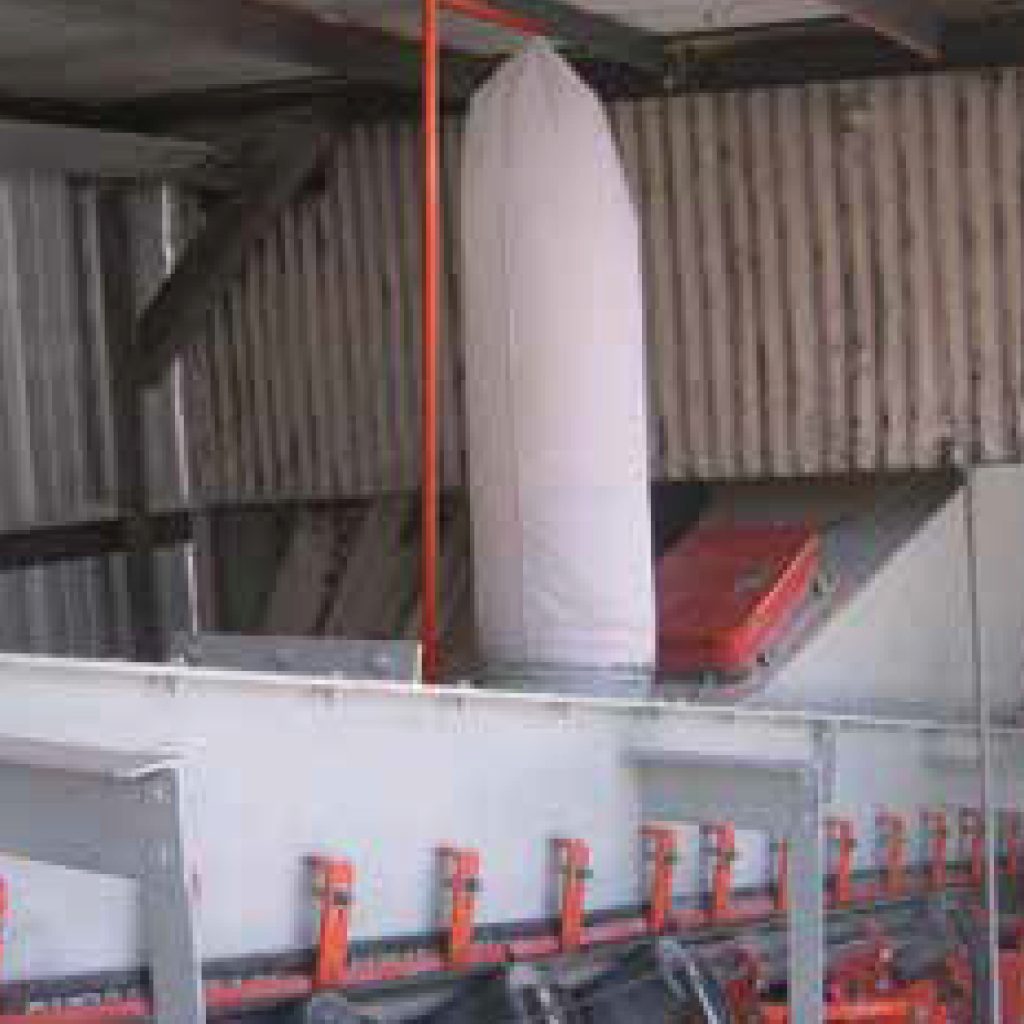
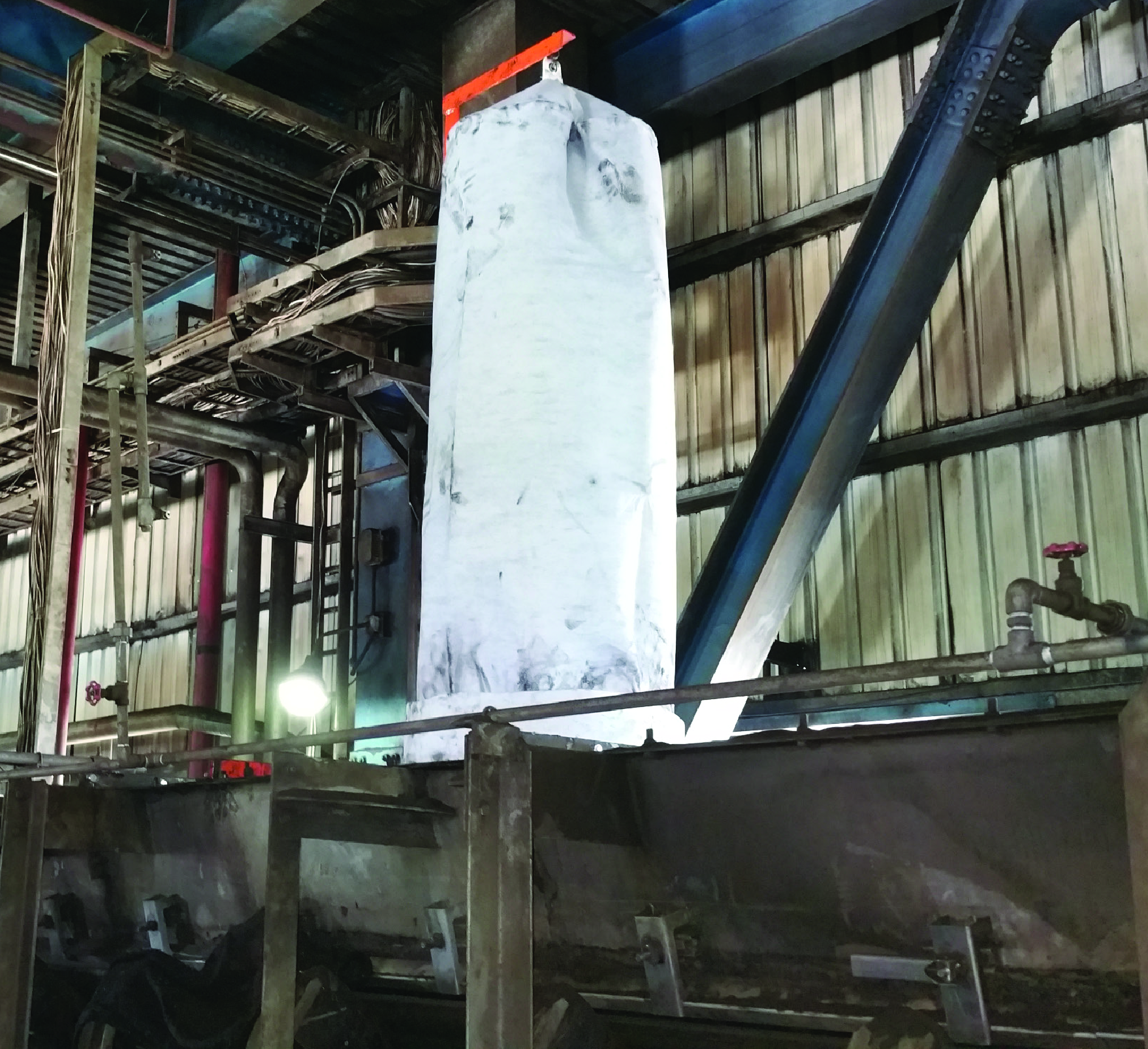
Installing dust bags in the belt conveyor area is a way to deal with airborne dust. Whenever material falls onto the belt, the dust bag releases pressure inside the skirtboard. Dust bags are able to collect airborne dust that attaches to the filter wall and, once accumulated, turns into solids, making it fall into the conveyor belt because of its increased weight.
Martin® Dust Bags stop dust from escaping the air by passively relieving the positive air pressure created at belt conveyor loading zones. You may not need Bag House Collection Systems when using these bags. Install Martin dust bags in the conveyor cover before the transfer point’s end to collect and vent dust from the air.
You can mount the Dust Bag to the skirting board without using electricity or complicated machinery. This design makes it easy to install, requires little maintenance, and allows simultaneous operation in pairs, depending on conveyor conditio
Martin Dust Bag’s Standard Series allows long-lasting performance and effective dust control without huge airbags (Bag House). Its Static Dissipating Series is applied to flammable materials as it can eliminate static electricity to prevent ignition sparks.
- A passive filtration system cleans the air without requiring mechanical collection.
- Satin nylon structures can withstand positive pressure from crushers and other sources of air.
- Suitable for usage where airflow is less than 1000 cfm (28,320 l/minute).
- Standard and Static Dissipating Bags are available in diameters of 12 inches (300 mm) and 24 inches (600 mm). For airflows larger than 450 cfm (12,750 l/minute), make use of a bag with a diameter of 24 inches (600 mm).
- The bag comes with a grounding strap and a hanging grommet to help disperse static electricity when it is solidly in place.