

Sampling System
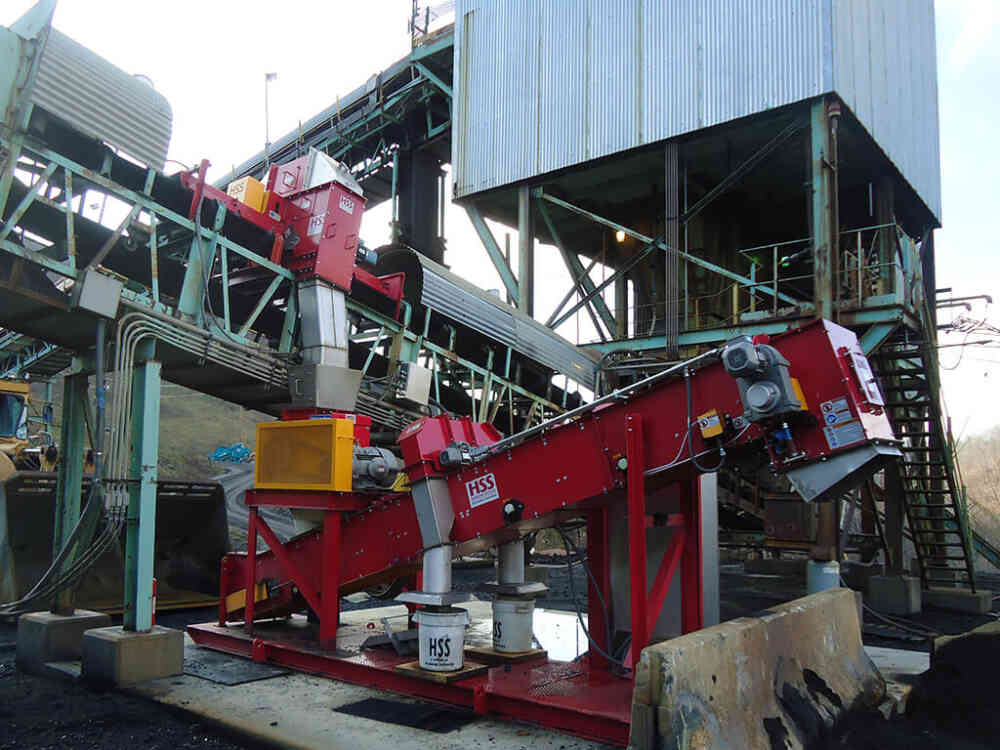
In the world of bulk material production and consumption, maintaining stringent quality standards underscores the critical importance of accurately and precisely collecting samples for analysis. Sampling involves the detailed selection of material that aptly represents the entire batch, comprehensively evaluating the final product's quality.
Contractual agreements often stipulate specific physical attributes or blends of bulk materials, necessitating sampling by producers to ensure compliance with these requirements. This practice mitigates financial risks associated with shipping products that do not meet contractual standards.
On the other hand, customers rely on sampling to verify that delivered products meet agreed-upon specifications, thereby avoiding overpayment for inferior goods. Especially in scenarios involving large or frequent material exchanges, the economic implications for organizations can be substantial.
Through effective sampling protocols, producers can effectively manage their supply sources, monitor product quality at origin, oversee operations at consumption sites, and make informed decisions regarding material acceptance or rejection.
McLanahan Sampling System Solutions by Suprabakti
Suprabakti supplies McLanahan's Sampling System Solutions, which have been utilized across industries for nearly four decades. These systems are engineered to autonomously collect precise and consistent samples for quality analysis, minimizing operator involvement.
By eliminating manual sampling in potentially hazardous environments, McLanahan Sampling Systems enhances quality control and mitigates sampling biases. They ensure producers adhere to product quality specifications during shipment and enable customers to receive the expected product quality, aligning with industry standards like ASTM and ISO.
Auger Sampling Systems
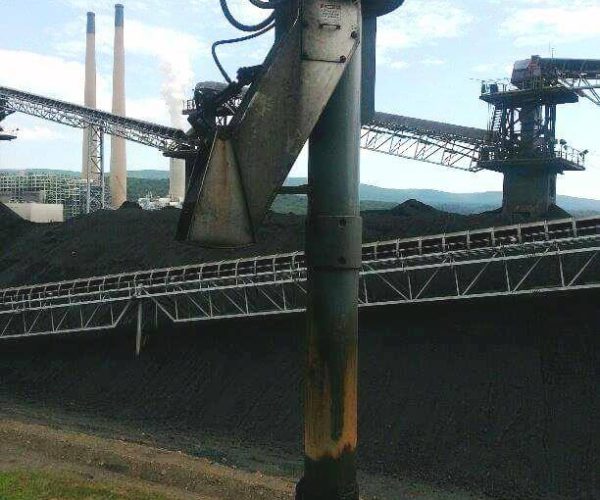
McLanahan Auger Sampling Systems collect material samples from transport containers like trucks, railcars, and shipping bins in as-shipped and as-received situations. The system uses a vertically oriented spiral flighting with a wear-resistant cutting head to loosen and direct material up the auger tube. Samples are then either diverted to a collection hopper or passed through a splitter for further processing.
McLanahan offers a range of auger sampling systems for various applications and industries, including coal, coke, ores, concentrates, salt, potash, wood pellets, and other dry bulk materials.
Cross Belt Sampling Systems
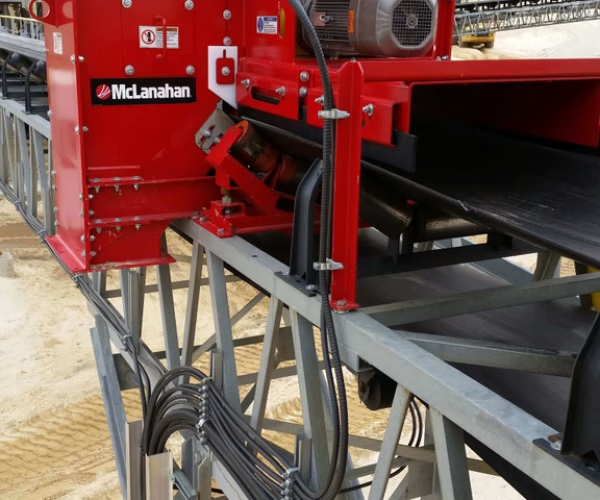
McLanahan Cross Belt Sampling Systems automate the collection of samples from a moving conveyor belt using rotating, counter-weighted cutters. These cutters swiftly pass through the material flow, collecting and discharging samples without stopping the belt. Suitable for various industries, including aggregates, frac sand, coal-fired power plants, and mines, Cross Belt Samplers are used as primary or secondary samplers in multi-stage systems, enhancing efficiency and accuracy in material sampling.
Falling Stream Sampling Systems
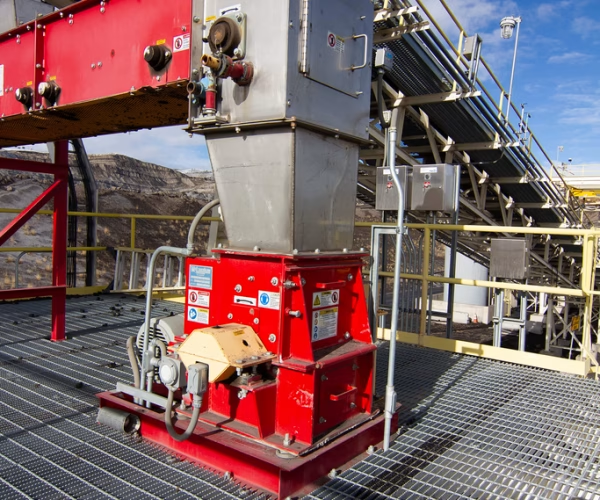
McLanahan Falling Stream Sampling Systems are designed to intercept materials falling from a conveyor. Ideal for high-flow applications like coal, lignite, and gravel, intercepting material from conveyors. Simple, reliable, and low-maintenance, they are perfect for loadout operations despite needing vertical clearance and being potentially more costly to install. McLanahan offers standard and custom designs.
Falling Stream Sampling uses a moving cutter to collect material, directing samples either to a discharge area (diverter-type) or back into the flow (bottom dump).
Vezin Sampler collects material samples by passing cutters through a stream, directing samples into a chute while allowing reject material to pass through.
Multi-Stage Sampling Systems
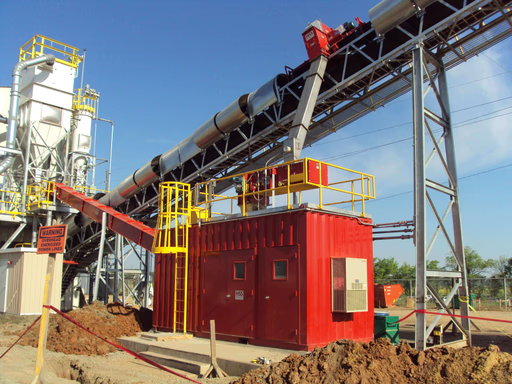
McLanahan’s Multi-Stage Sampling Systems are essential across industries for extracting smaller, representative samples from larger ones, ensuring products meet contractual standards for both producers and consumers. These systems integrate crushers, conveyors, and collectors to automate sample processing, minimizing errors and handling costs. Housed in modular sample buildings, they optimize efficiency with built-in infrastructure like lighting and HVAC in control rooms, simplifying precise and efficient sampling procedures.
McLanahan Wobbler Feeders excels with wet, sticky materials or high-clay content, managing feed rates and separating fines efficiently in aggregate and mineral processing. Despite higher initial costs, they help preserve downstream equipment by scrubbing fines from sticky material.
Sampling Crushers
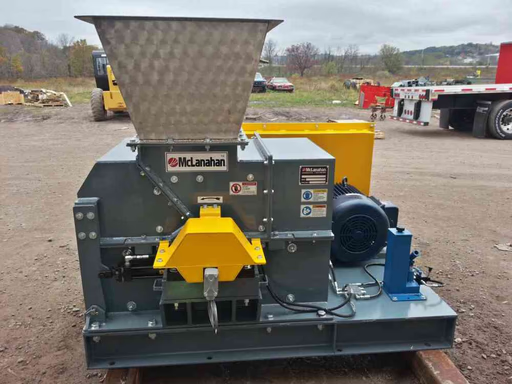
McLanahan’s Sampling/Pilot Plant Crushers cater specifically to applications with low feed rates across diverse industries. Designed for durability and robustness like larger machines, these crushers offer reliable solutions without the inefficiencies of oversized equipment.
Options like Jaw Crushers, Hammermills, and Double Roll Crushers ensure high dependability for low tonnage requirements. They are integral in mechanical sampling systems, test plants, pilot plants, and laboratories, facilitating the processing of samples collected at low feed rates for various industrial evaluations and processes.
Rockertooth Crushers, a subcategory of Hammermill Crushers, use a unique rocking impact hammer to handle materials with larger lumps or harder inclusions efficiently.
Sampling Hammermills, or MiniMacs, crush low to moderately hard friable materials like larger industrial Hammermills.
Sampling Jaw Crushers optimized for lower feed rates in Sampling Systems and Pilot Plant crushing applications.
Sampling Sizers/Roll Crushers offer compact, cost-effective solutions for handling lower-capacity applications while retaining the benefits of larger machine designs.
Sample Preparation Equipment
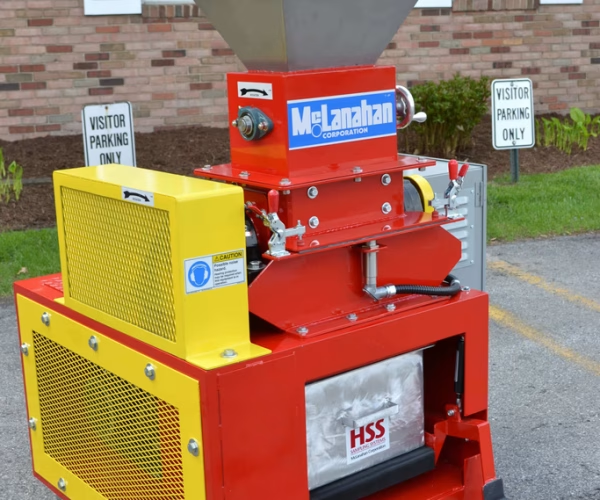
McLanahan has developed a range of Sample Preparation Equipment to streamline the precise reduction of sample materials in laboratory settings. These systems enable producers to reduce particles offline efficiently.
The Types of sample preparation include the LabMill Crusher, designed for easy maintenance access with safety interlock switches and customizable controls. Whereas Rotary Dividers ensure efficient and safe sample reduction through variable rate feeding and enclosed designs, catering to various laboratory requirements. These units play a crucial role in processing samples collected by mechanical sampling systems before final laboratory testing.