
Scrubbing
Naturally occurring aggregates and minerals often require processing to remove unwanted materials such as clay, soft rock, vegetation, and crusher dust, ensuring a high-quality final product. These deleterious materials can compromise structural integrity and performance, particularly in construction materials like cement and asphalt.
Clay, for example, can lead to bonding issues, reduced durability, and increased water demand in concrete applications, affecting permeability and drainage. Effective purification methods at processing plants are essential to meet quality standards, sometimes requiring more intensive cleaning processes to achieve optimal mineral quality.
When washing alone cannot remove deleterious materials, scrubbing is needed. Scrubbing uses more energy to add tumbling and shear forces to a clay-bearing ore-water mix, breaking up agglomerates to create a free-flowing slurry. This intense process prepares the material for beneficiation, which concentrates valuable minerals after grinding or scrubbing.
During scrubbing, minerals are separated from deleterious materials by agitation with water. The unwanted materials are then flushed away to a settling pond or water treatment process, leaving the desired product clean.
Scrubbing separates deleterious materials from desirable products through material-on-material attrition caused by a drum or rotating paddles. This process produces high-quality, silt-free aggregates or minerals, meeting customer specifications and increasing the final product’s value.
McLanahan’s Scrubbing Solutions by Suprabakti
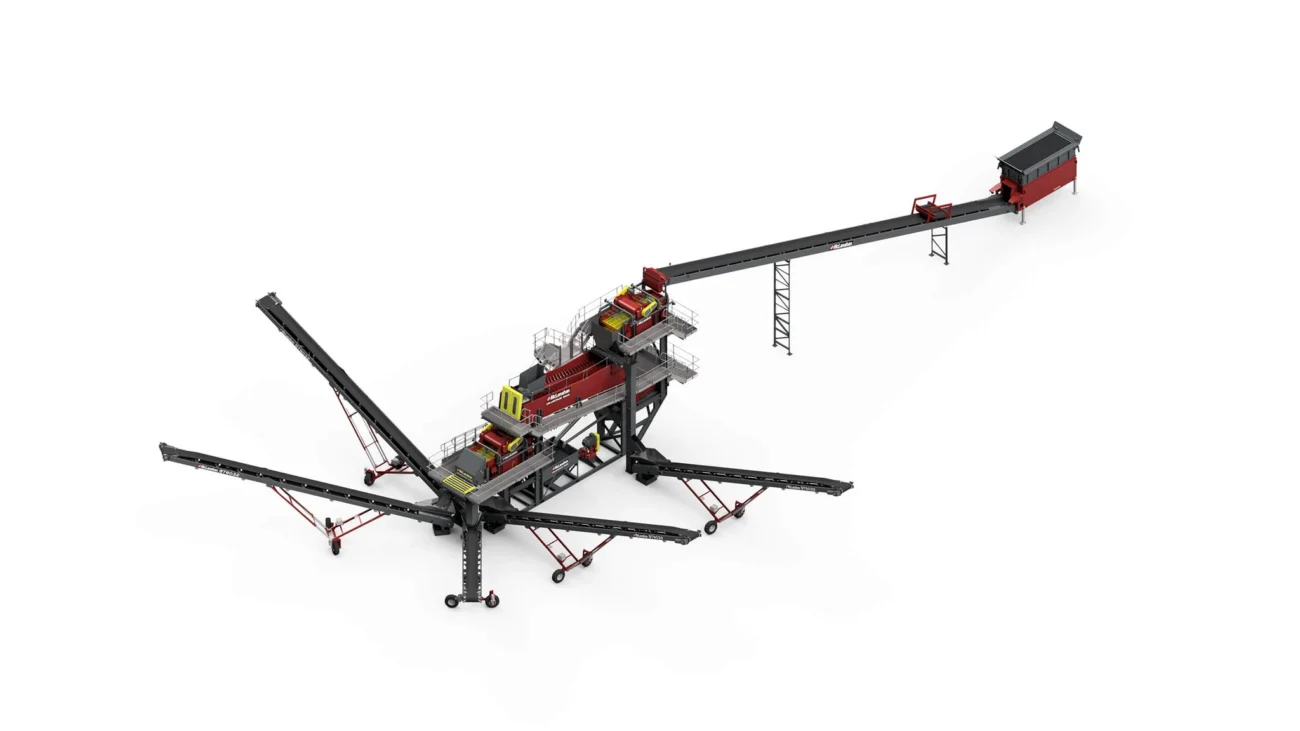
Suprabakti supports mineral processing by providing McLanahan’s scrubbing solutions. These solutions can help to simplify deleterious materials removal, thereby increasing the value and quality of the final output.
McLanahan offers specified solutions for aggregate and mineral producers, enhancing deposit value by ensuring materials meet project specifications. Their efficient scrubbing solutions effectively remove unwanted materials, optimize rock cleanliness, and deliver excellent return on investment.
Attrition Cells/Scrubbers
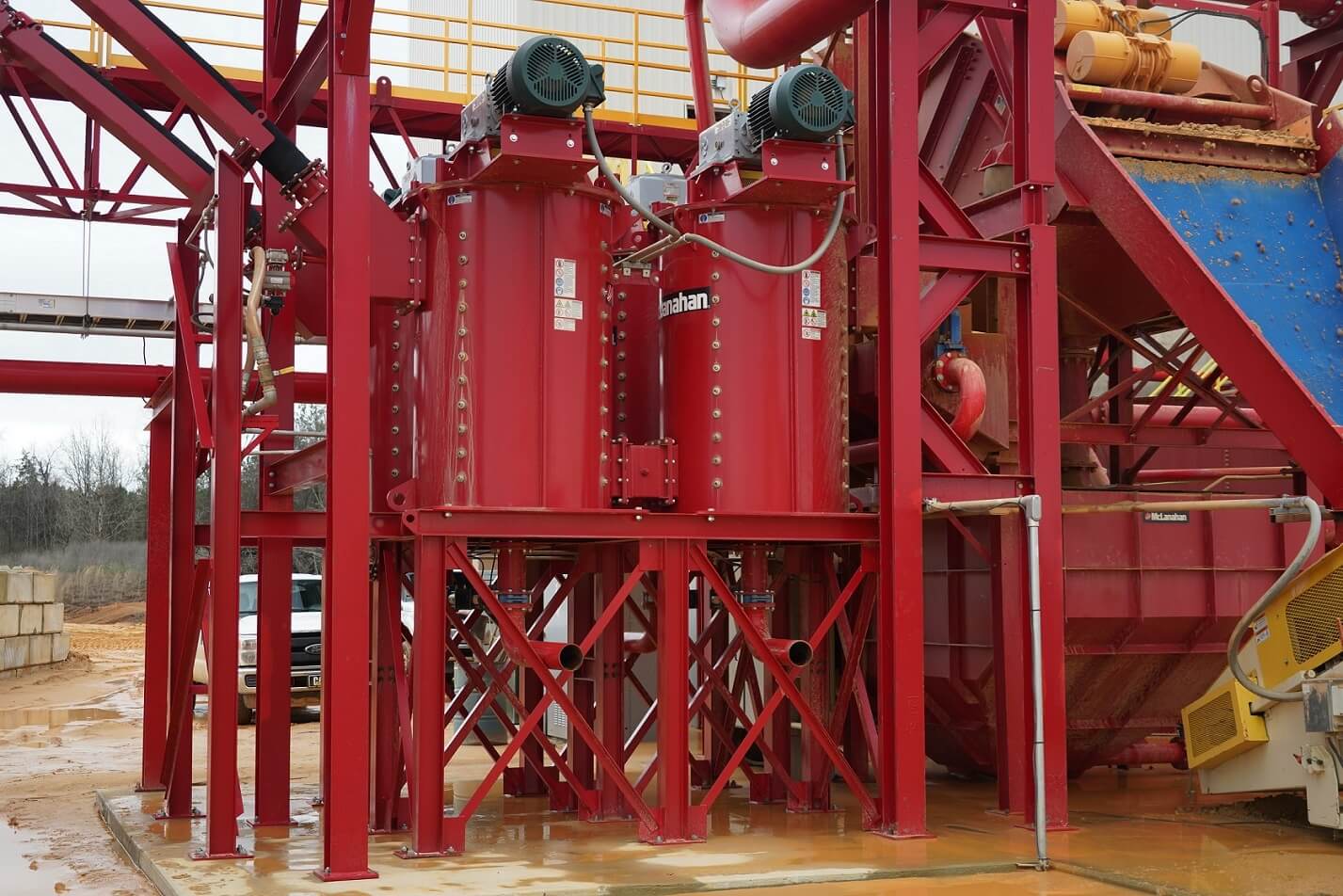
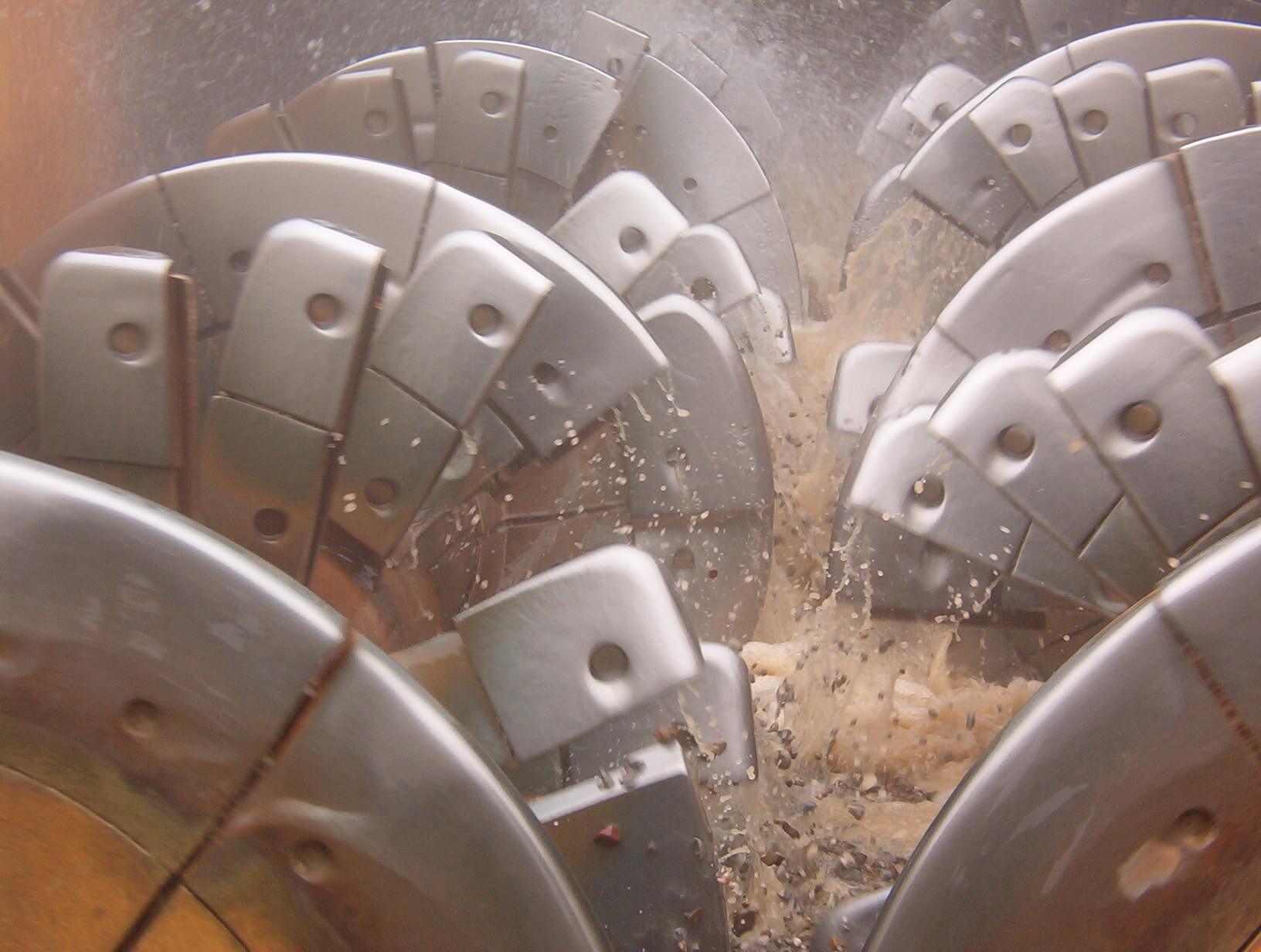
Attrition Cells/Scrubbers operate at high densities to achieve effective scrubbing using rotating paddles for particle-on-particle attrition. They remove contaminants like clays, oxides, and chemicals from industrial and mineral sands.
Automatic dilution water addition maintains density, and motor shutoff protects against excessive power draw. These units are essential for high-quality sand production, meeting stringent standards, and preparing materials for flotation and downstream separation in various industries.
Blade Mills
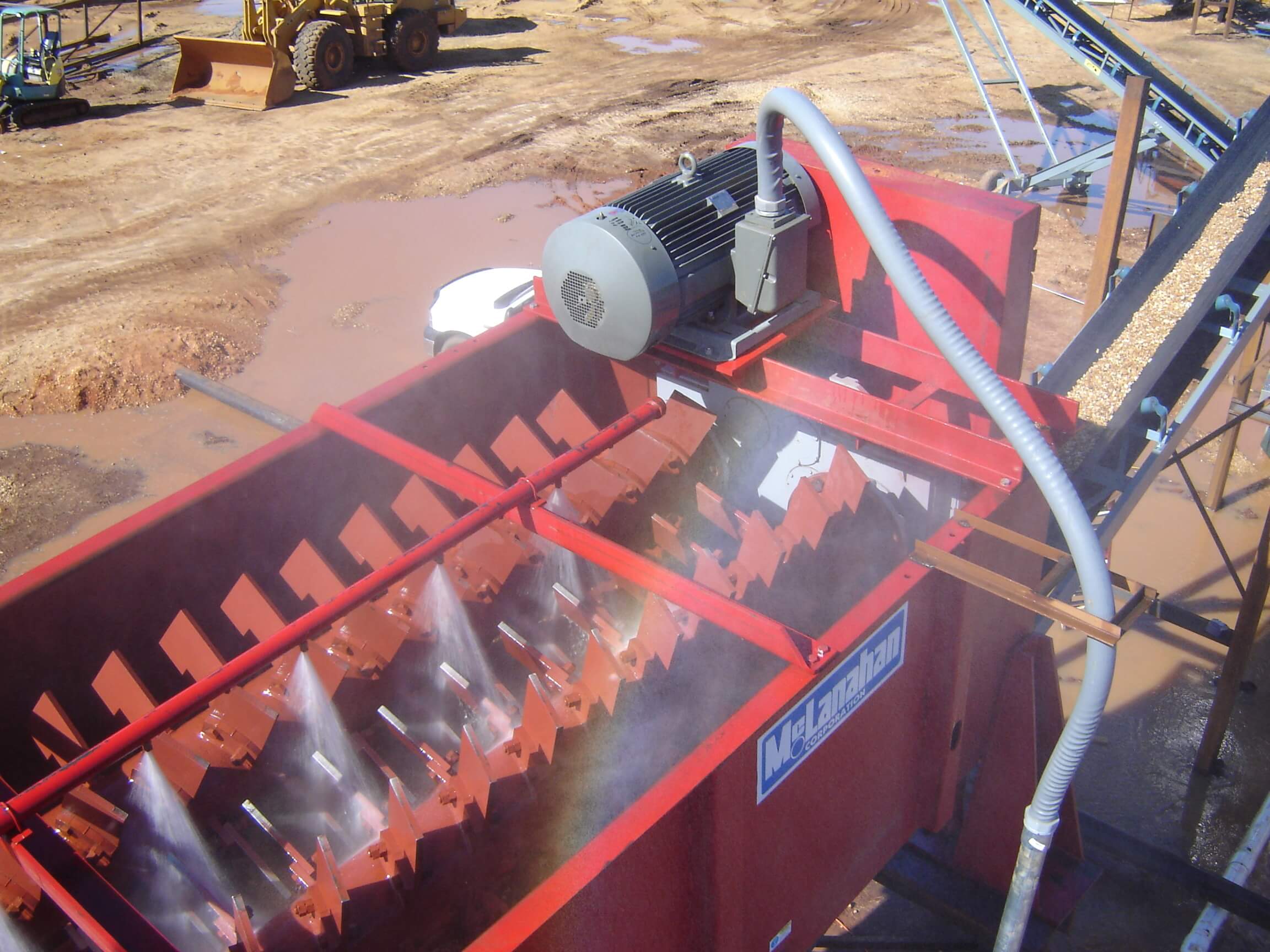
Blade Mills, operating at a 0 to 5-degree slope, use alternating paddles and flights along the shaft to scour, abrade, and break down deleterious material. They handle higher capacities than Coarse Material Screw Washers and use water equivalent to one-third of the material weight.
Positioned before Vibrating Screens or Fine Material Screw Washers, Blade Mills improve screening efficiency and Sand Equivalency (SE). Unlike Screw Washers, Blade Mills lack an overflow weir and discharge directly into subsequent equipment, making them effective for washing contaminated aggregates and hard ores with water-soluble clays and silts.
Coarse Material Screw Washers
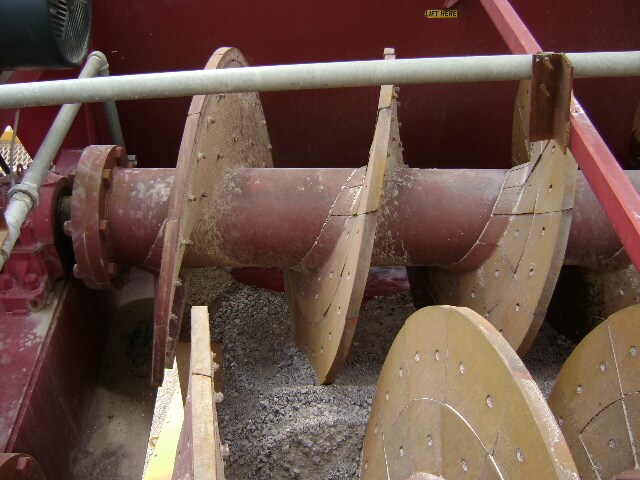
Coarse Material Screw Washers use paddles and screw flights to remove clays, dirt, and other debris. These materials are separated by a rising water current and discharged via overflow weirs. Finer materials pass through a baffle plate to the feed box, while coarser ones settle at the bottom.
Rolling action on an 18-degree slope releases fines and cleans clay particles. A drainage channel aids water separation near the discharge. Maintaining a calm pool area prevents material loss, and adjusting screw washer speed optimizes dewatering. They are often paired with Dewatering Screens for better efficiency.
Log Washers
Log Washers use aggressive inter-particle scrubbing and paddle shaft interaction to effectively remove clays and deleterious materials from hard rock and ore. Positioned at slopes up to 14 degrees, they increase retention time for thorough cleaning.
Clean material exists after a final rinse, while clays and silts are carried over a weir. Optional rising current systems aid in waste fraction removal. McLanahan provides capacity and water requirement details tailored to feed material, suggesting pre-processing of sand-sized fractions for optimal washing results.
Rotatory Scrubbers & Rotary Trommels
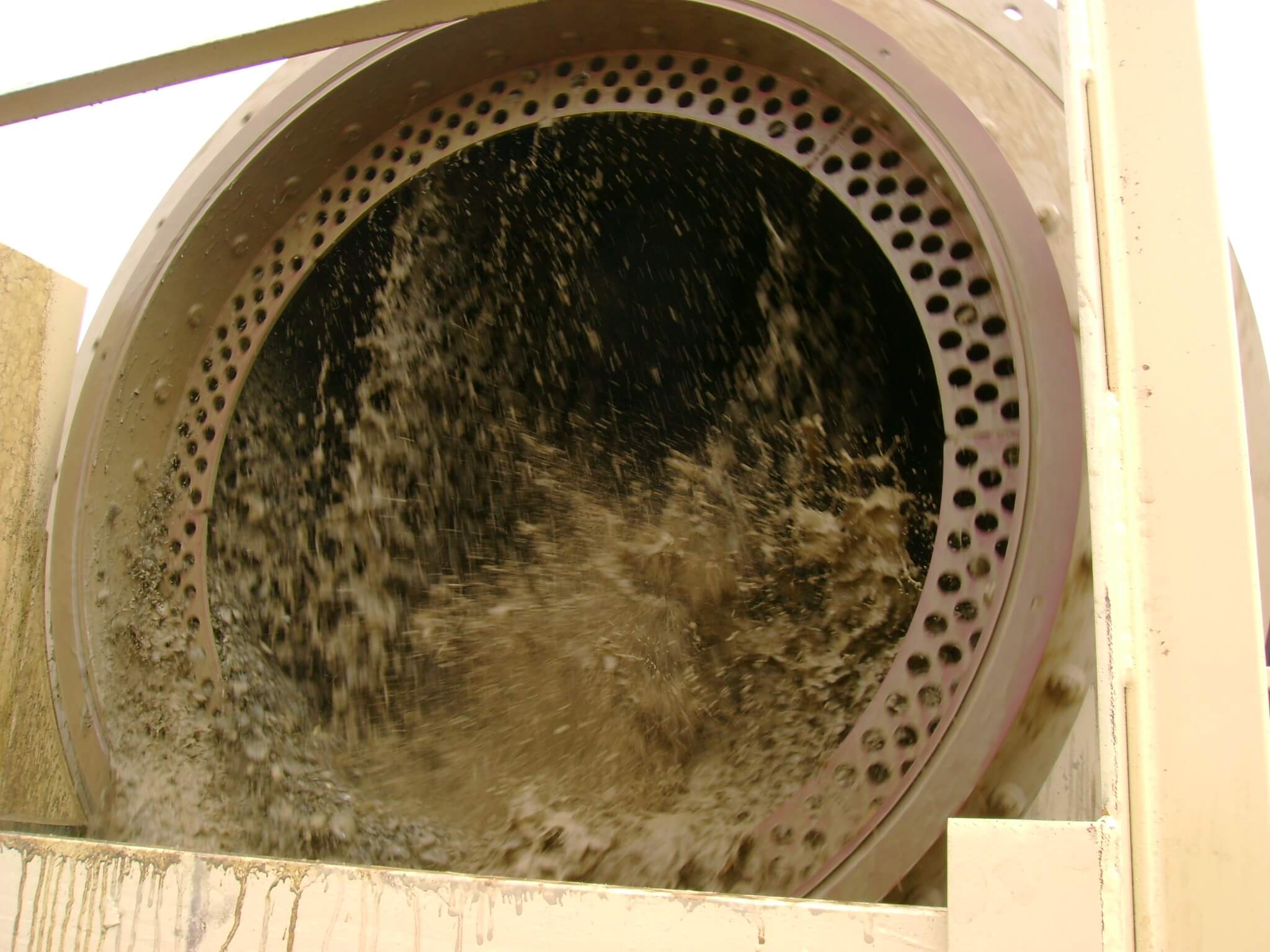
McLanahan’s Rotary Scrubbers and Rotary Trommels remove water-soluble clays and coatings from aggregates using tumbling action. Ideal for high-capacity applications, Rotary Scrubbers feature cylindrical drums with internal lifters and optional trommel screen extensions for enhanced separation and dewatering.
Rotary Trommels use a rotating drum to lift and tumble material, separating smaller fractions through screen holes. These machines are necessary for applications such as upgrading metals from incinerated waste, wood chip reclamation, municipal waste sorting, and ore and rock washing.