
Tailings & Water Management
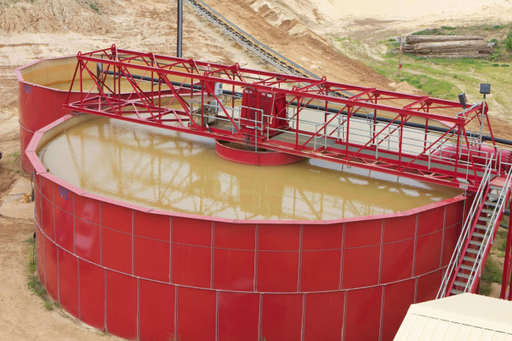
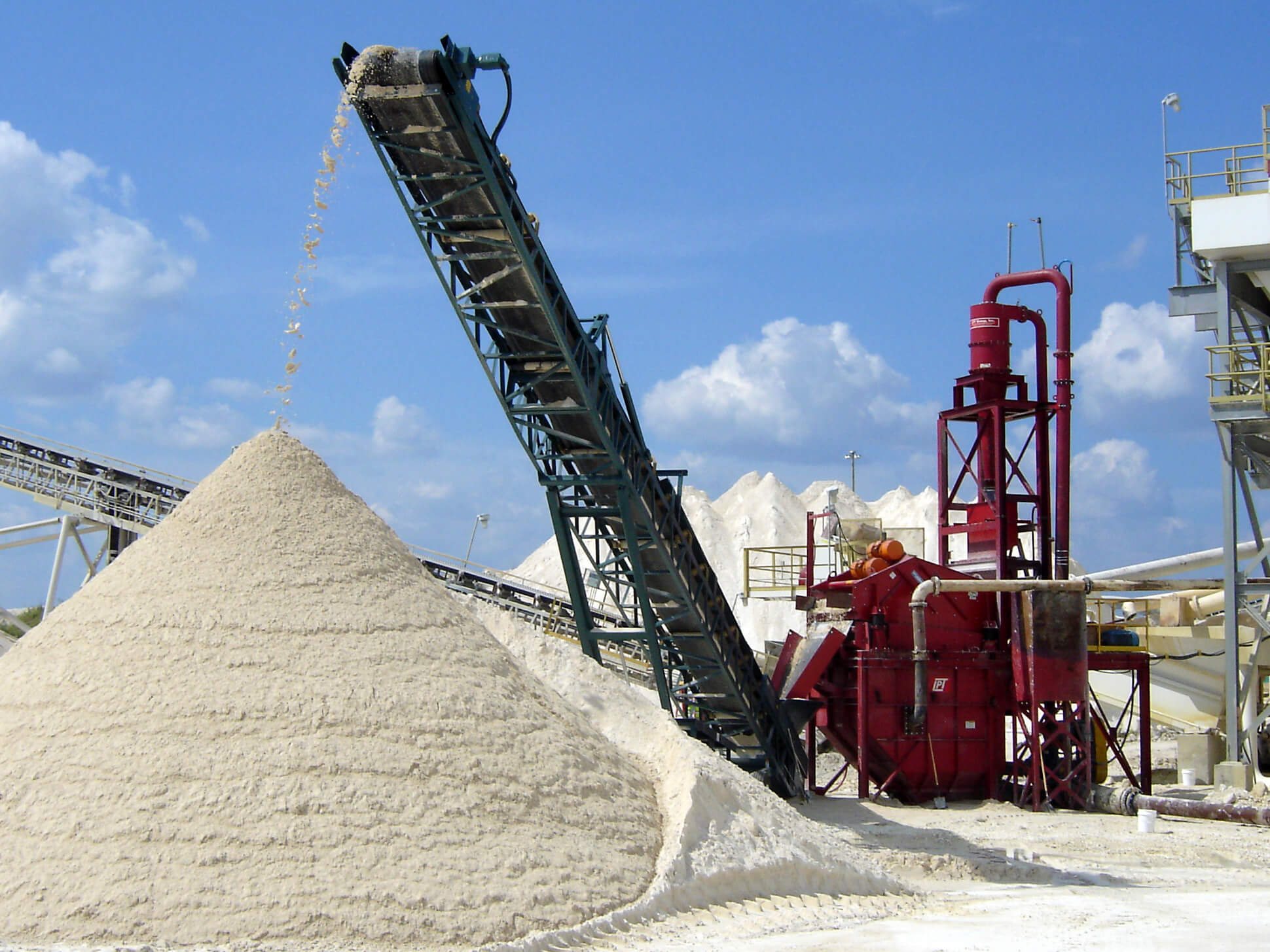
Aggregate and mineral producers, including those working with rock, crushed stone, sand, coal, limestone, and gold, inevitably generate tailings. Tailings are the unwanted by-products, consisting of ground rock and process wash water, left after extracting the desired material. They 5often contain chemicals used in extraction, along with metals, minerals, and other organic elements.
The primary goal of tailings management is to reclaim as much water as possible for reuse and to handle solid waste safely. As tailings hold no financial value, they are typically stored most cost- effectively. The most common method is to pump the tailings slurry to a surface settling pond or impoundment.
Settling ponds are man-made reservoirs where solids in slurry settle, allowing the clear water to be recycled. Regular dredging, water level monitoring, equipment maintenance, and compliance with environmental regulations are necessary.
Although they reduce airborne hazards, poorly managed ponds can contaminate wildlife sources, release toxins, and risk dam failure, causing catastrophic floods. Strict regulations are in place to safeguard the environment and public safety from these risks.
Effective tailings management requires a long-term strategy, as creating new settling ponds is often impractical due to space constraints and regulatory challenges. A thorough plan allows producers to reuse process water, improve resource access, streamline material recovery, and maximize return on investment.
McLanahan Tailings & Water Management Solutions by Suprabakti
Suprabakti supplies Tailings & Water Management Solutions from McLanahan. These solutions help producers comply with environmental regulations and achieve operational objectives.
McLanahan’s technology separates solids from liquids, producing dry, drip-free, and easy-to-handle solid output that can be sold, along with clean process water ready for reuse in production. Implementing McLanahan’s solutions allows producers to significantly reduce or even eliminate settling ponds, mitigating associated risks and maintenance demands.
Thickeners
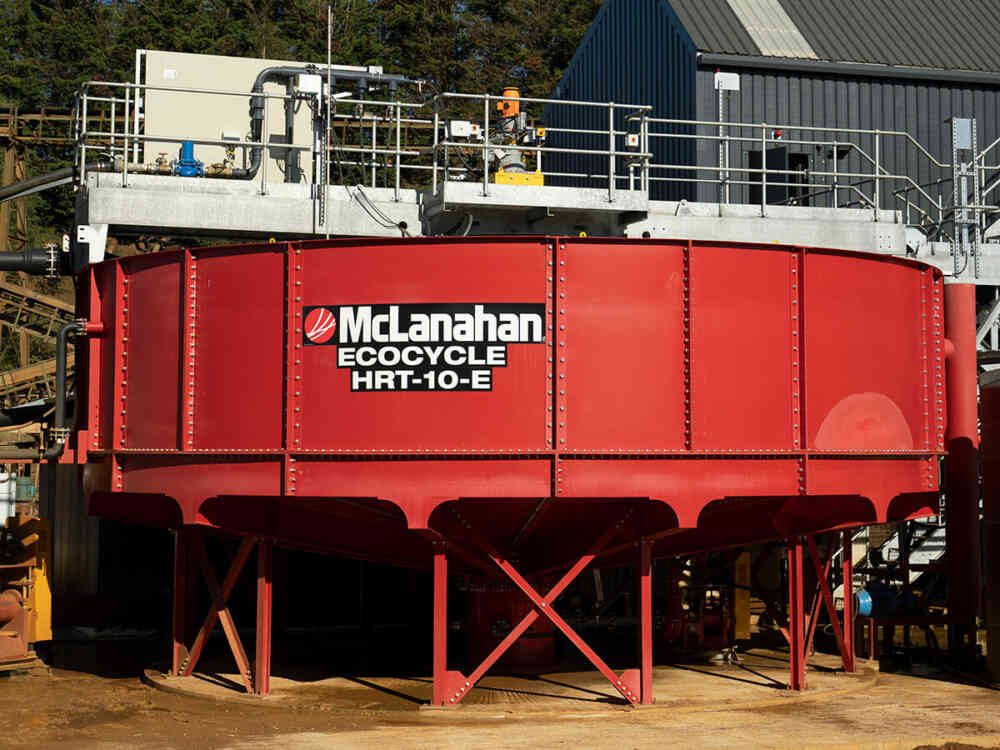
Thickeners allow producers to reclaim and reuse processed water immediately, granting significant benefits across industries, especially in locations where water scarcity or cost is an issue. Thickeners can minimize the need for large settling ponds and, when combined with a dewatering device, can eliminate the need for settling ponds entirely.
Type of Thickeners
- High-density Thickeners separate liquids from solids using gravity settling
- High-rate Thickeners separate liquids from solids using hindered settling
- Paste Thickeners are meant to achieve the highest solids concentrations possible through gravity separation
Decanter Centrifuges
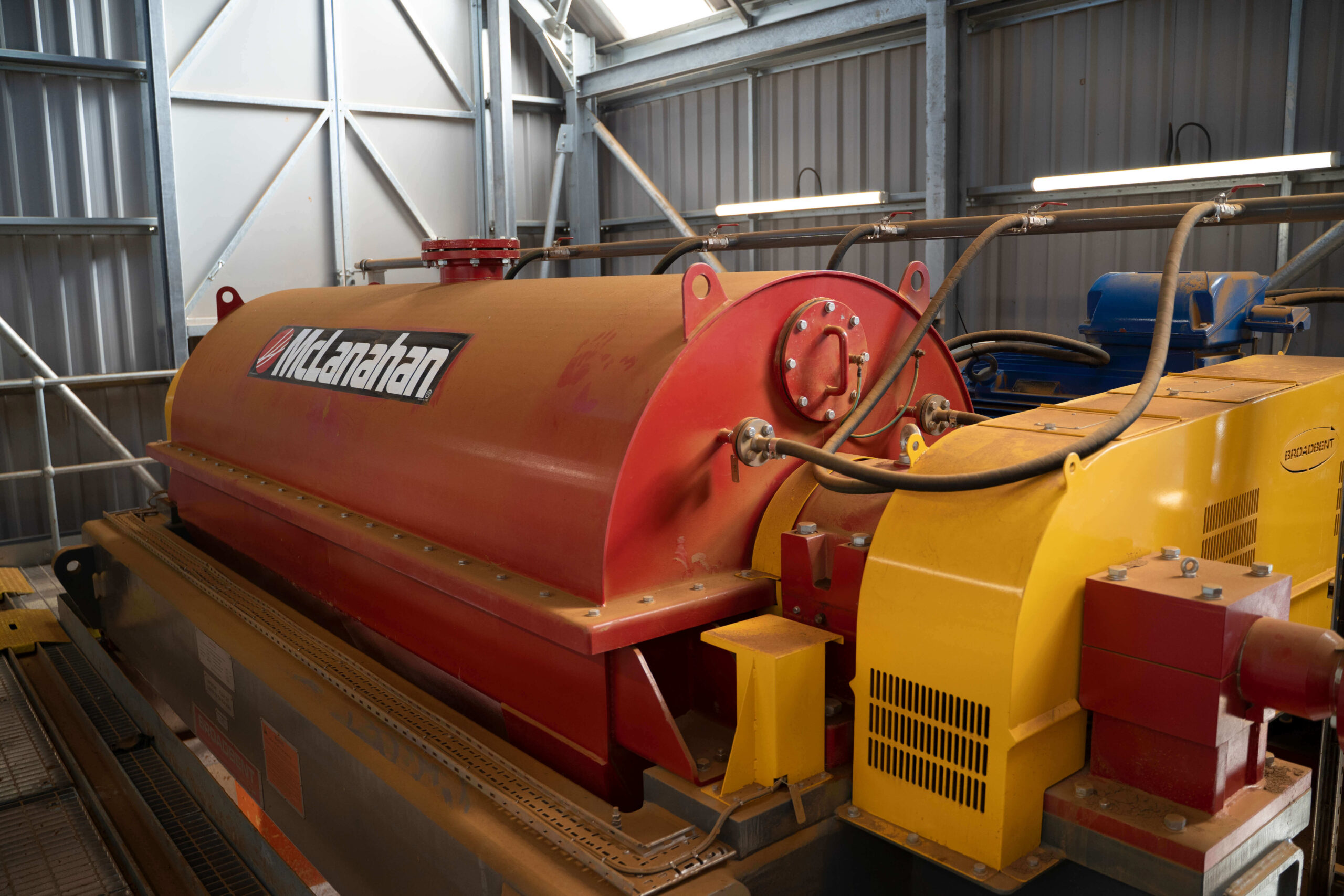
Decanter Centrifuges use high rotational forces to separate solids from liquid in a slurry, resulting in a low-moisture cake that is easy to handle and a liquid portion ready for immediate reuse in the wash plant. Decanter Centrifuges allow producers to reduce or even eliminate the need for settling ponds or lagoons.
Filter Presses
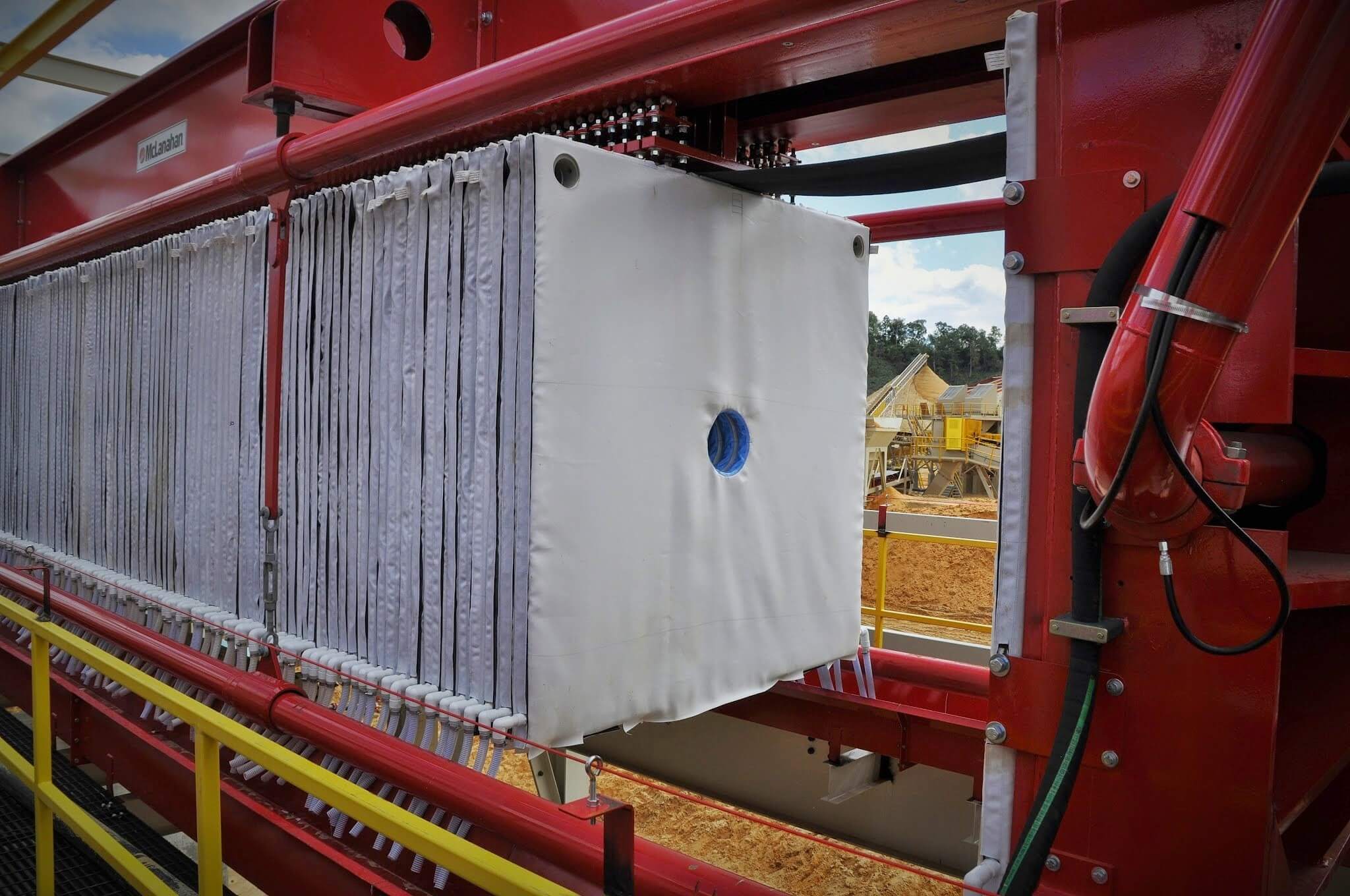
Filter Presses separate liquids and solids using hydraulic pressure to pump slurry into chambers formed by plates lined with filter media. This process yields a drip-free, dry cake and reusable process water, making Filter Presses indispensable for mine tailings and mineral concentrates applications. McLanahan’s Filter Presses ensure high water removal rates and reliable performance through automated operation and optimized design.
Types of Filter Presses
- Overhead Beam Filter Presses operate with a hydraulic cylinder and tension rods to clamp plates, enabling slurry to pass through filter cloths for solid-liquid separation.
- Side Beam Filter Presses use hydraulic clamping to sandwich slurry between plates, allowing solids to accumulate while filtrate passes through filter cloths, ensuring unobstructed cake discharge.
Additional Tailings and Water Management Solutions
McLanahan also manufactures additional tailings management solutions that facilitate the separation of solids from liquids. These solutions allow producers to recover fines and reuse process water, increasing profitability and aiding in compliance with environmental regulations.
Other Types of Equipment Used for Tailings & Water Management
- Dewatering Screens remove moisture from materials by feeding slurry onto a steep, downward-sloping screen surface at the inlet, allowing rapid drainage
- Hydrocyclones use centrifugal force to separate coarser materials from the slurry, ejecting them through the bottom apex.
- Slurry Pumps propel fluid through pipelines by converting rotational kinetic energy into hydrodynamic flow energy.
- UltraFines Recovery Plants integrate a sump, pump, hydrocyclones, and a dewatering screen into a single module, specifically engineered to recover +400 mesh (38µm) solids from wash plant effluent streams.
- Vibratory Screens use decks with differently sized openings to separate materials by vibrating them.