

Belt Audit
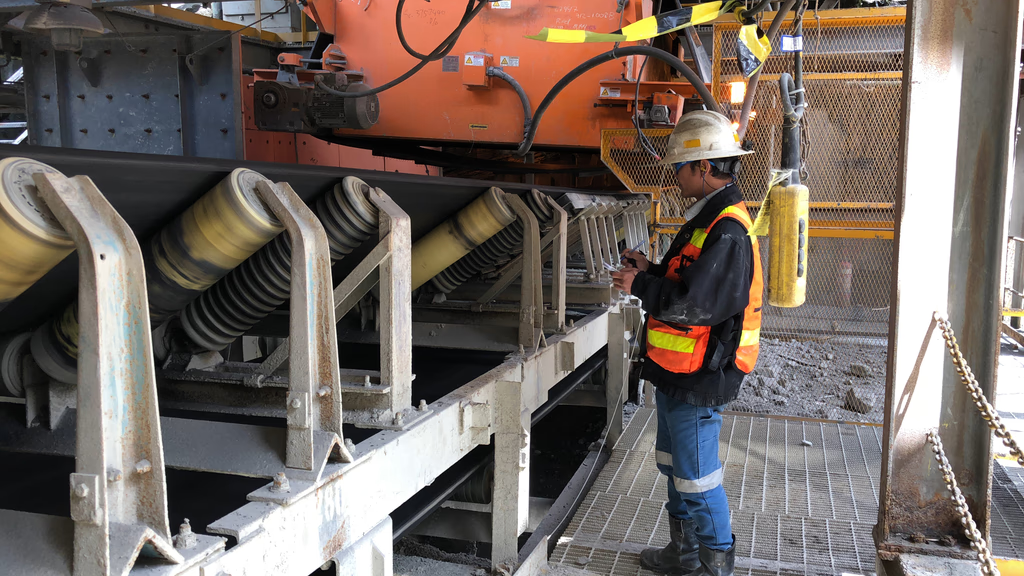
Conveyor Belt Audit – Saving Time and Money with Simple System Analysis
A belt audit helps plant operators detect conveyor belt malfunctions before they halt production. Sudden downtime can lead to unmet consumer demands, employee downtime, overtime costs, and safety risks as the plant rushes to recover. Worse, it impacts the factory’s bottom line.
Operators may overlook minor system changes, but an auditor can quickly identify belt issues. Proactively addressing these problems instead of waiting for failures can save time and resources by preventing unscheduled downtime.
Third-party belt audit inspection on conveyor belt systems can be necessary to guarantee superb operations. Expert input helps maintain factory productivity, potentially turning a difficult year into a successful one.
Performing preventive maintenance and replacing faulty parts improve conveyor reliabilit, guaranteeing uninterrupted operation and reducing periods of inactivity.
Conveyor Belt Audit Inspection
A belt audit from Suprabakti provides a detailed assessment of your entire conveyor system, including splice and surface condition, belt cleaners, rollers, skirting, transfer points, belt tracking, pulleys and lagging, Plummer block bearings, conveyor drives, guarding, safety switches, and overall operational safety.
After gathering data throughout the audit, the team compiles a complete report highlighting areas that need further investigation. While each conveyor component functions separately, evaluating the entire system as a cohesive unit ensures compatibility and efficiency.
A belt audit does more than identify issues—it determines their root causes. Instead of simply noting a dirty belt and offering a quick fix, auditors explain why specific problems occur and how the proposed solutions will improve system performance.
All belt conveyors require annual audits to assess how components interact and ensure smooth operation. Experts help implement and maintain solutions, while a quick discussion with a distributor can uncover opportunities to enhance system efficiency.
Belt Mapping
Belt mapping is essential in conveyor systems, entailing the inspection and documentation of belt conditions. This proactive maintenance approach enables operators to address potential issues before they cause costly downtime or safety risks.
Regular monitoring of conveyor belt conditions helps the maintenance teams prioritize repairs or replacements according to observed damage severity during mapping inspections. Suprabakti provides photo reports mapped out on conveyor belts to pinpoint areas needing more attention based on damage level
Benefits of Belt Mapping:
- Early Issue Detection: Belt mapping helps technicians spot wear, rips, and misalignment before they cause failures.
- Improved Maintenance Planning: Tracking belt conditions over time improves scheduling and resource allocation.
- Better Safety: Regular mapping identifies hazards like loose debris and protruding fasteners, reducing accidents.
- Reduced costs: Belt mapping-based proactive maintenance can save businesses expenses on downtime, production losses, and emergency repairs.